Nameplate & duty
Rated capacity, primary supply, secondary/tap arrangement and operating duty.

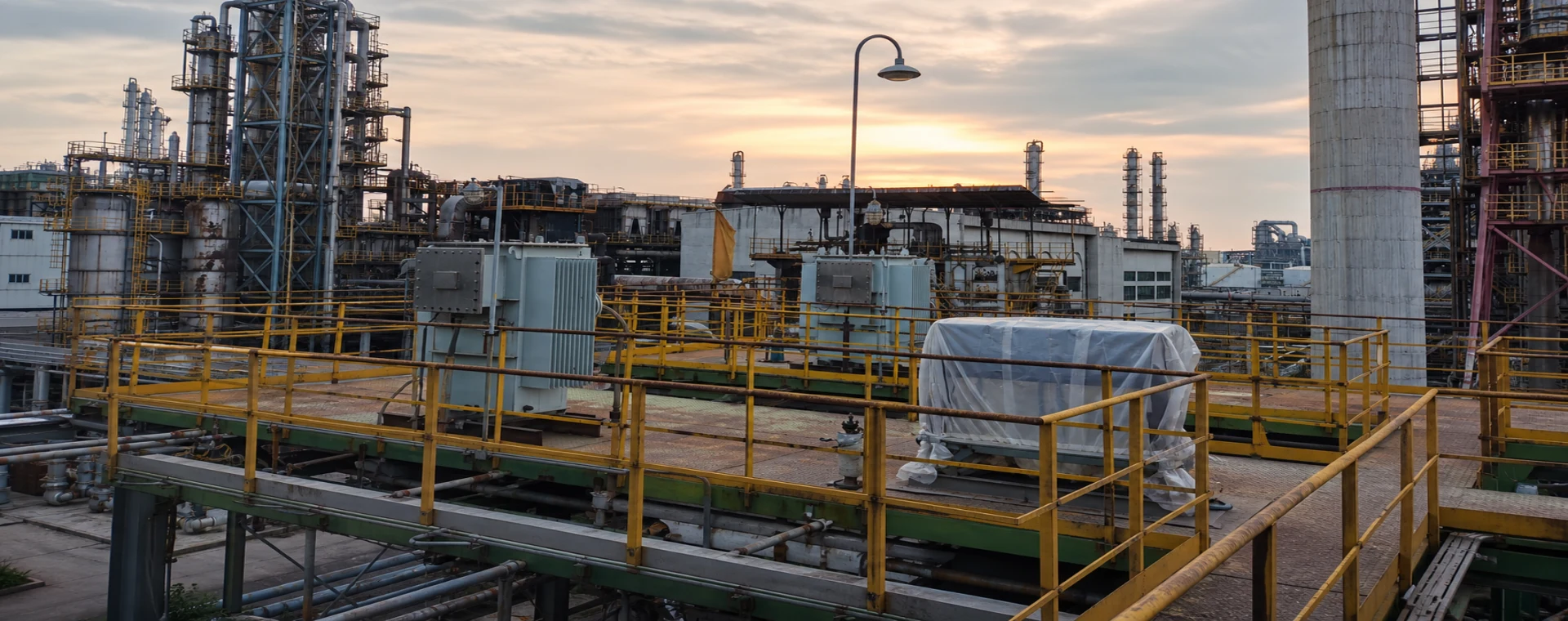
Project-specific replacement and new-build power units for electrostatic crude-oil desalting and dehydration systems.
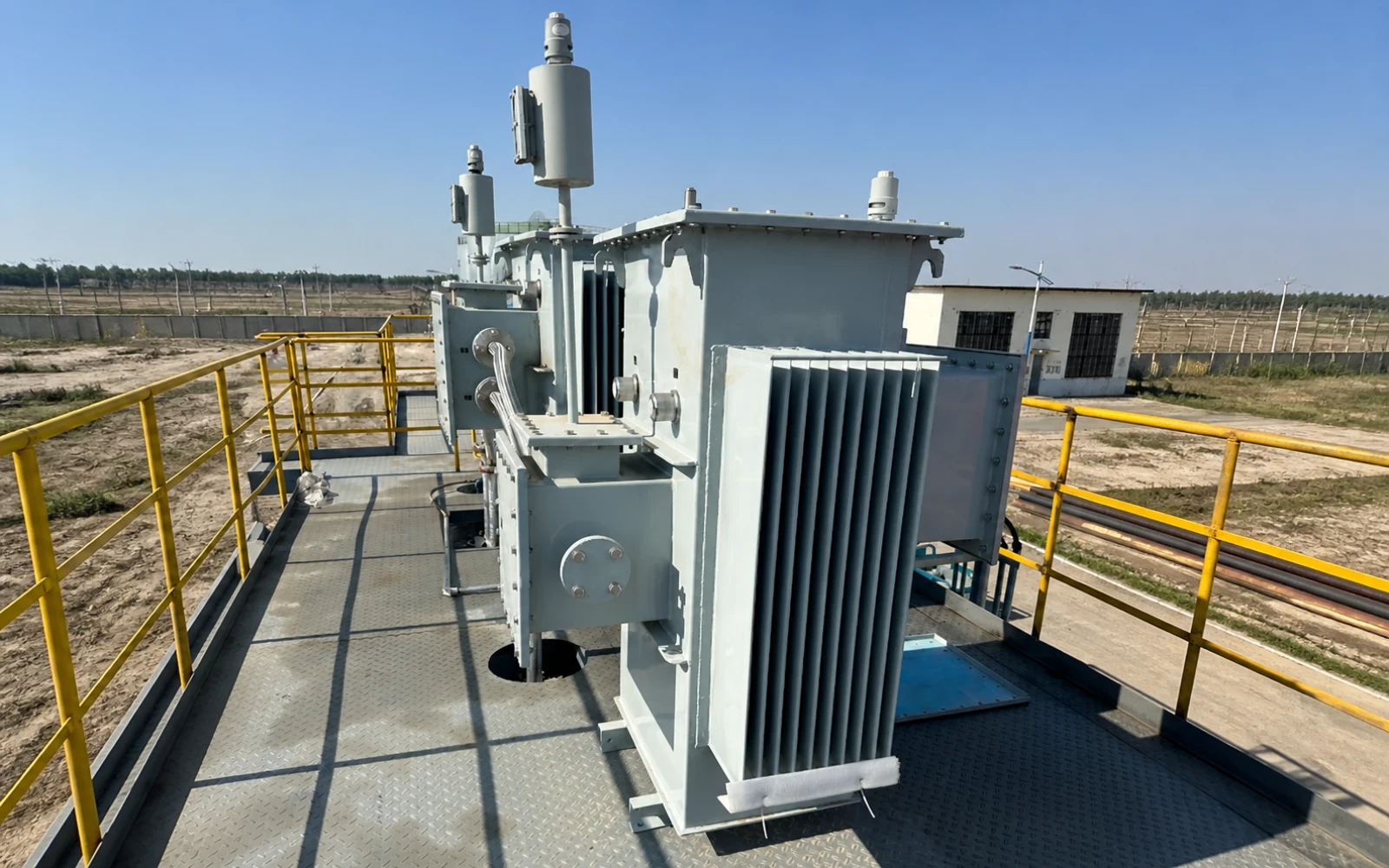
A replacement succeeds only when its mechanical, high-voltage and electrical interfaces are confirmed against the installed equipment and the process duty.
The final configuration cannot be selected from appearance alone. These inputs establish whether a true drop-in replacement is feasible.
Rated capacity, primary supply, secondary/tap arrangement and operating duty.
Overall envelope, mounting-hole pattern, lifting path and maintenance clearances.
Exact connection position, flange dimensions and the existing cable/electrode interface.
Legacy impedance and reactor arrangement must be confirmed from project documentation.
Applicable protection concept, gas group, temperature class and certification basis.
Temperature, altitude, salt spray, process atmosphere and coating requirements.
The transformer or power unit must be coordinated with the vessel, electrode system, process controls and site electrical interfaces. A complete-system view helps prevent decisions based on the transformer nameplate alone.
Protection concept, certification marking and final electrical/process performance require confirmation against current standards, approved drawings and project data. Historical nameplate designations should not be treated as automatically equivalent.
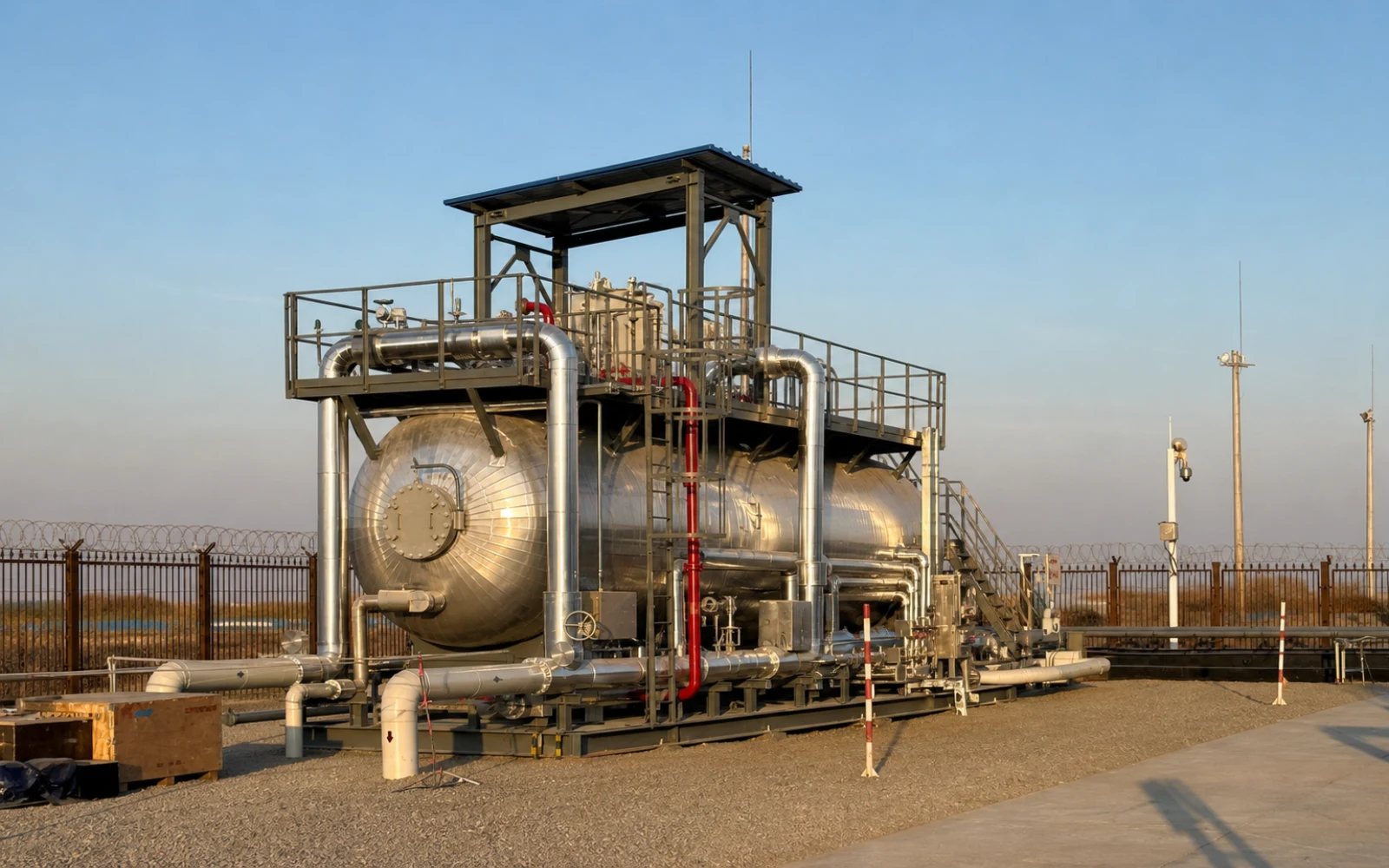
Share the nameplate, outline drawing, interface photographs and site conditions. Our team will identify the remaining data required for engineering confirmation.